
Walking the Royal Mile: Why St Giles’ Cathedral Feels Like Edinburgh’s Heart
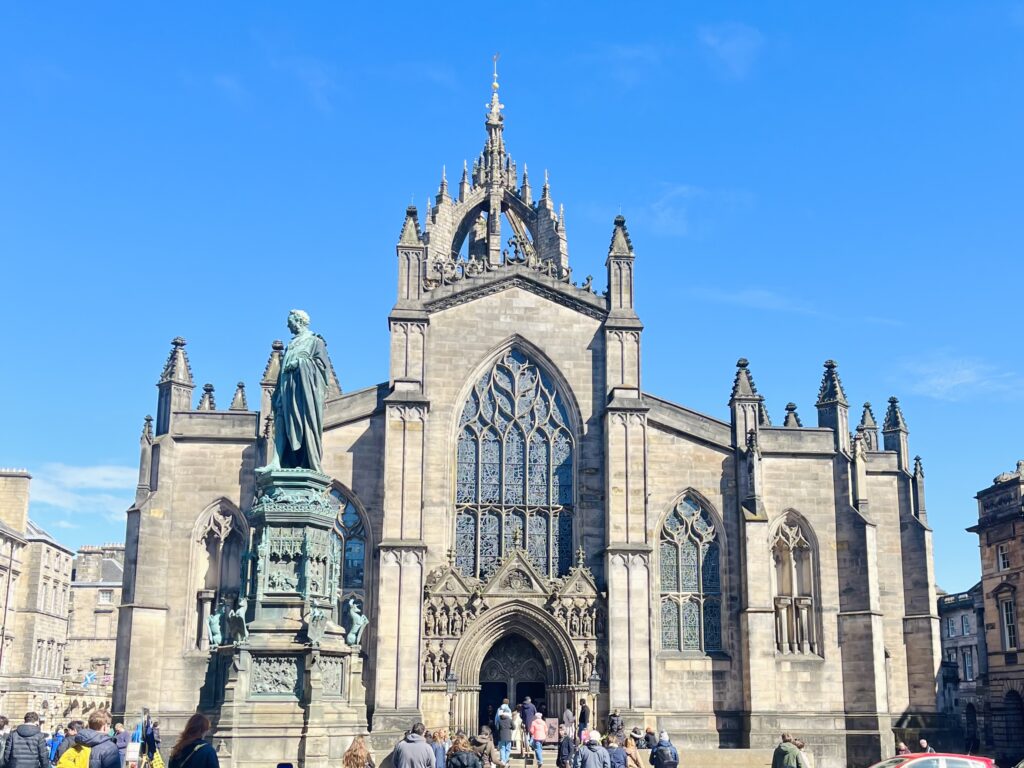
As you stroll down the Royal Mile in Edinburgh, suddenly a grand building appears ahead — tall, majestic, with a spiky crown-like steeple that dominates the skyline. That’s St Giles’ Cathedral. Though often called a “cathedral,” it technically isn’t one in the Catholic sense (because it has no archbishop), but it functions as a pivotal parish church for the Church of Scotland and carries the beating pulse of the city.
The Story Behind Its Stones
It all began way back in 1124, when King David I founded a church at this site. Over the centuries, the building suffered fires and was rebuilt multiple times, yet in doing so it absorbed more layers of history — religious, political, artistic — than almost any other structure on the Royal Mile.
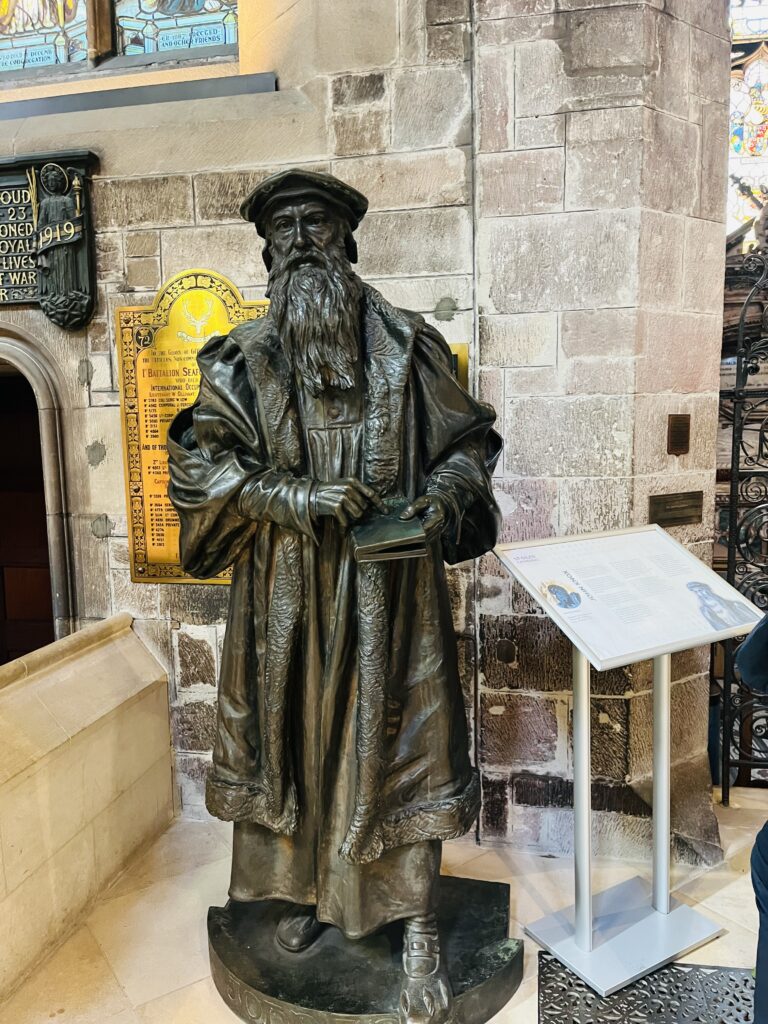
During the Scottish Reformation, John Knox preached here very powerfully. His sermons helped shift Scotland from Catholic tradition to Presbyterian church governance — that’s one reason why hearing that pulpit still feels like stepping into a turning point of history.
What Makes St Giles’ Truly Unique
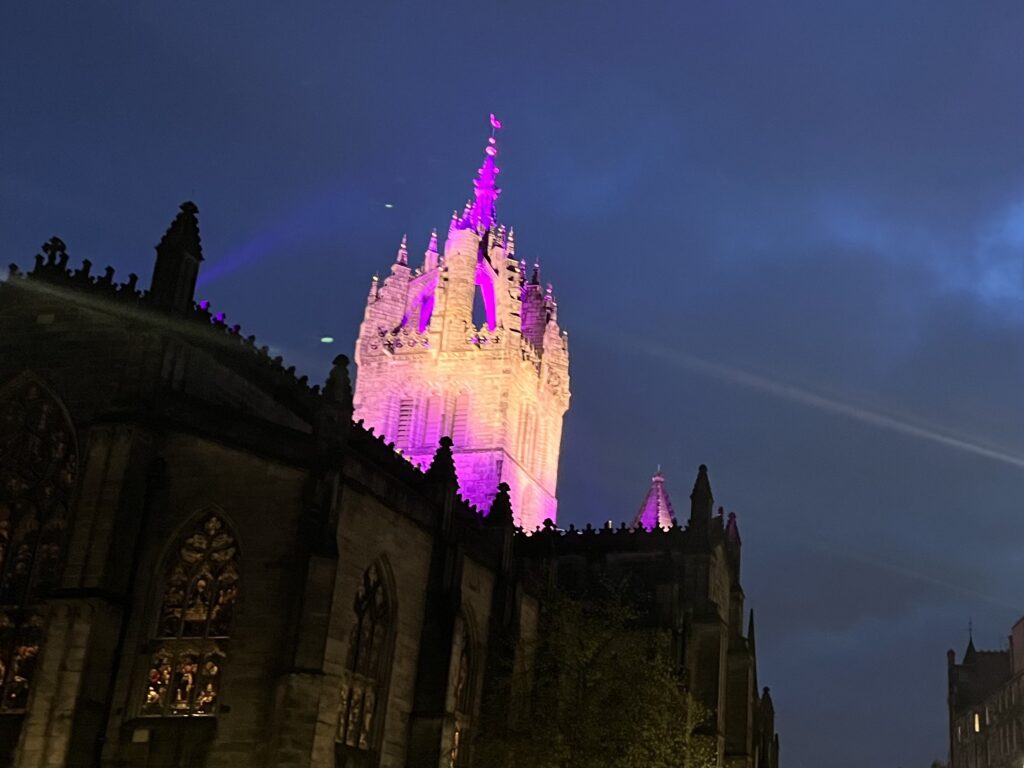
- The Crown Steeple (Crown Spire): That open-stone “crown” at the top of the tower is one of St Giles’ signature features. Built in the late 15th century (about 1490s) and restored in 1648, it’s one of only a few such “crown steeples” in Scotland. From far away, it’s what says “Edinburgh”.
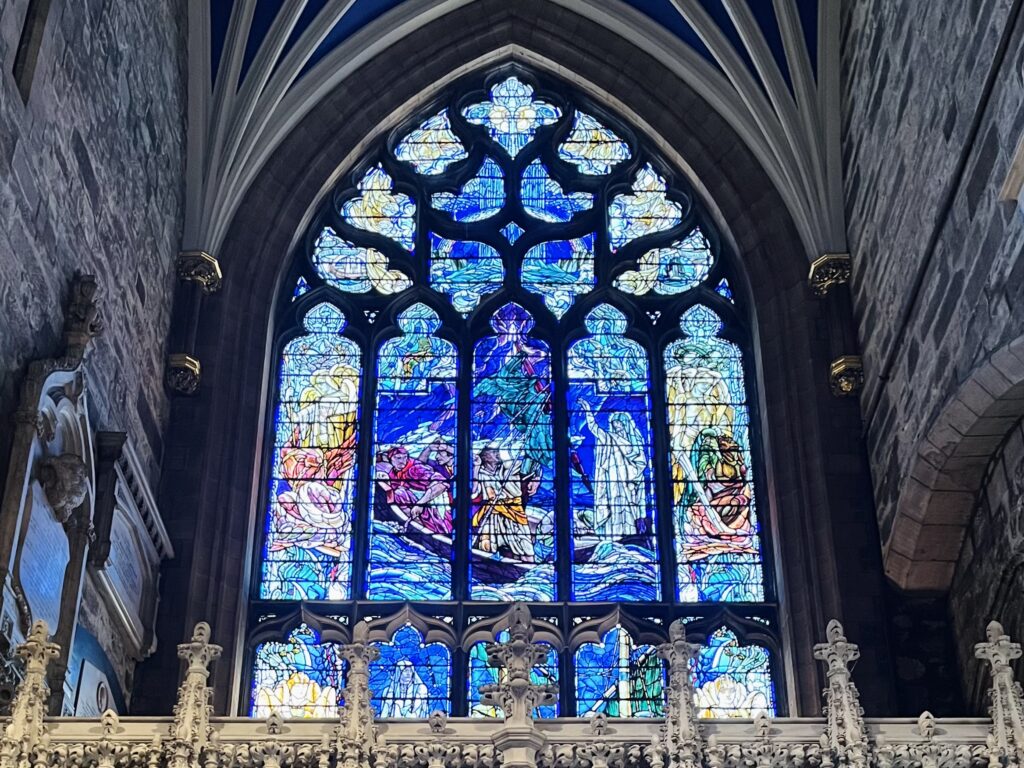
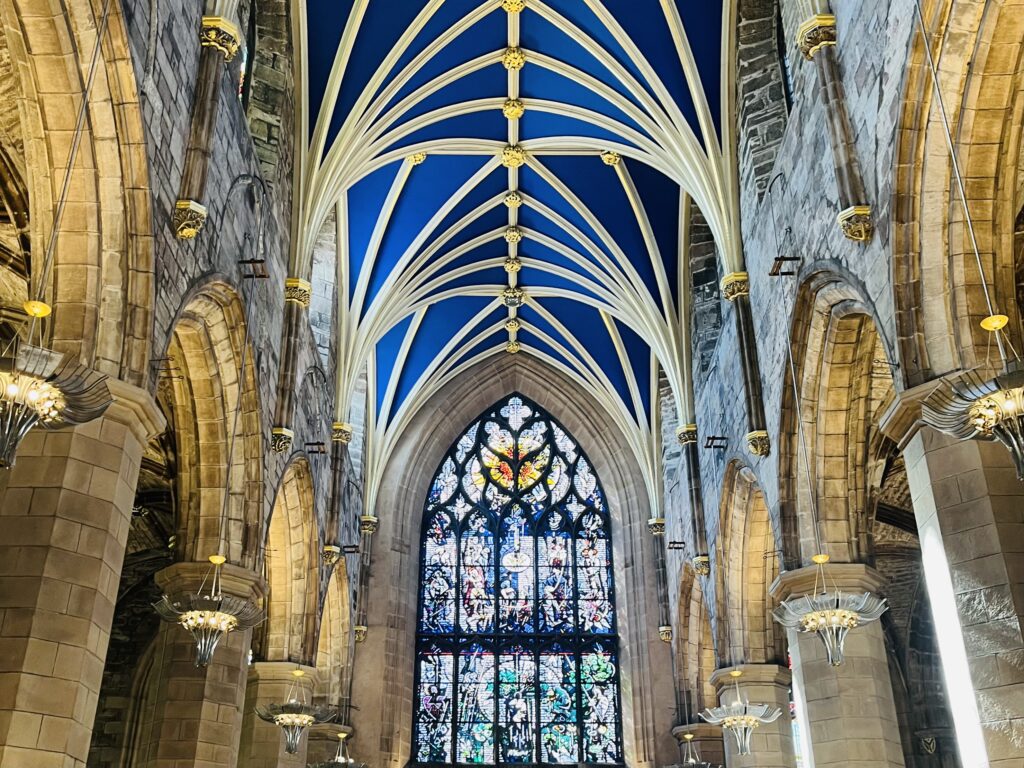
- Stained Glass Windows, Especially the North Transept Window: Made by Douglas Strachan in 1922, this window shows scenes like Christ walking on water and stilling the storm. The rich blues, purples and greens light up the interior in a way that’s both artistic and spiritual.
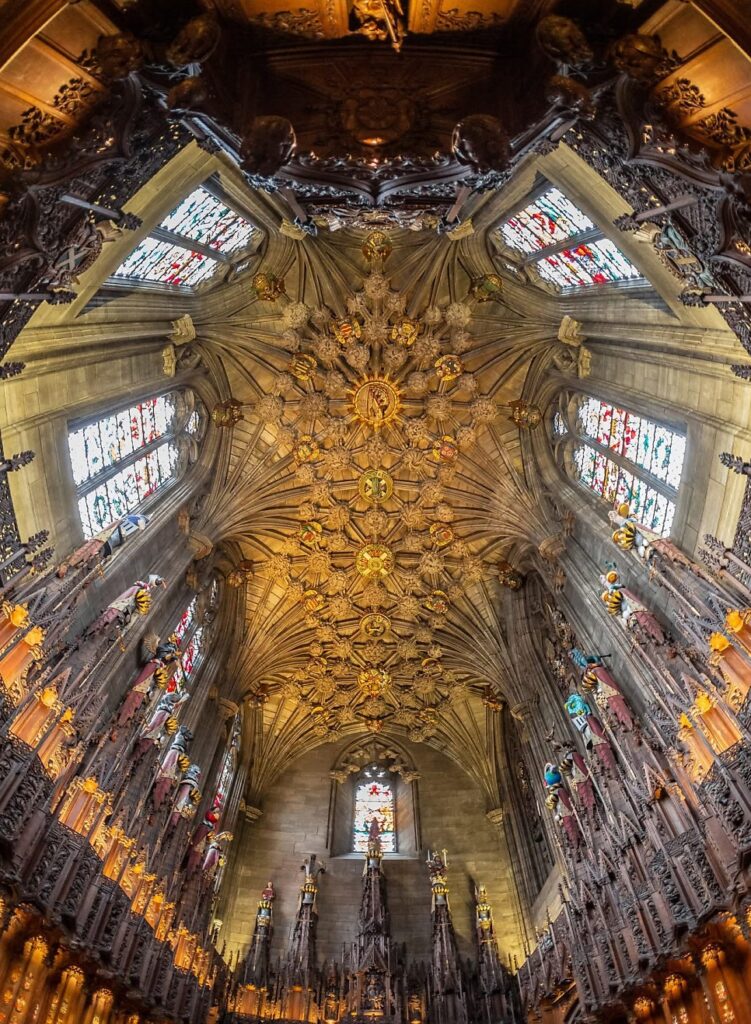
- Thistle Chapel: Built in 1910-11 by architect Robert Lorimer, this exquisite chapel honors the Order of the Thistle, Scotland’s highest chivalric order. The craftsmanship inside is finely detailed, especially in the heraldic glass and wood work.
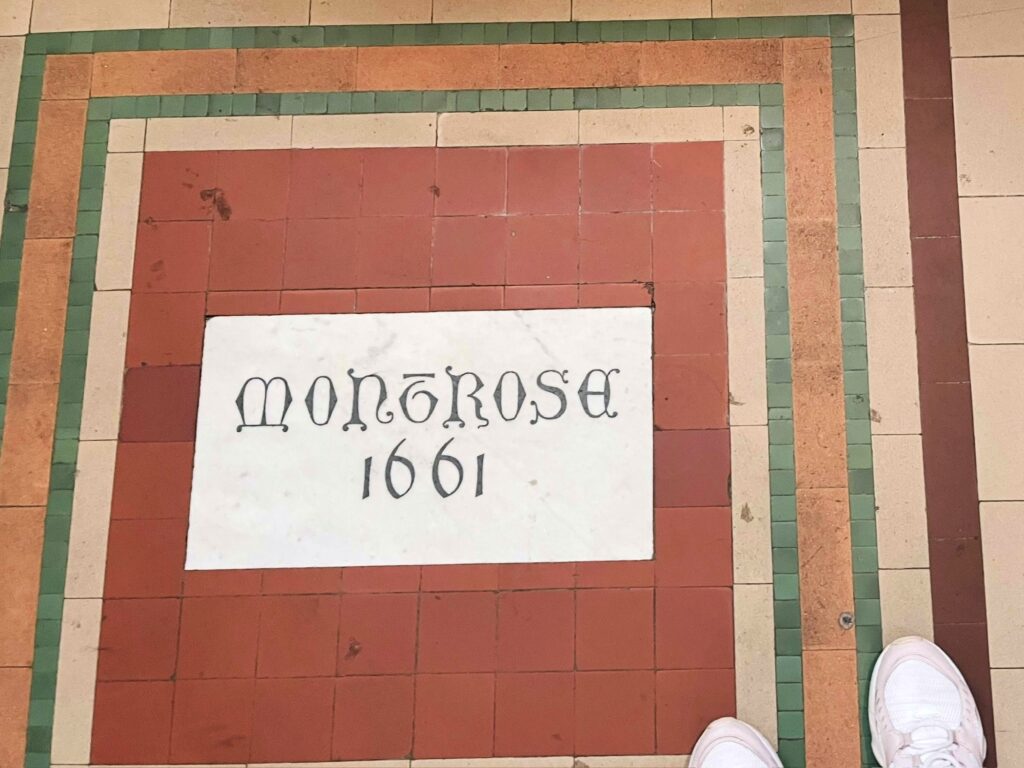
- Montrose Memorial and “Mont Rosa 1661”: The remains of James Graham, 1st Marquis of Montrose, were officially reinterred here in 1661. His monument (though erected later) marks that moment. If you spot “Mont Rosa 1661” in the floor or wall, it refers to this very reintegration of his remains and honour being restored.
Your Experience as You Walk In
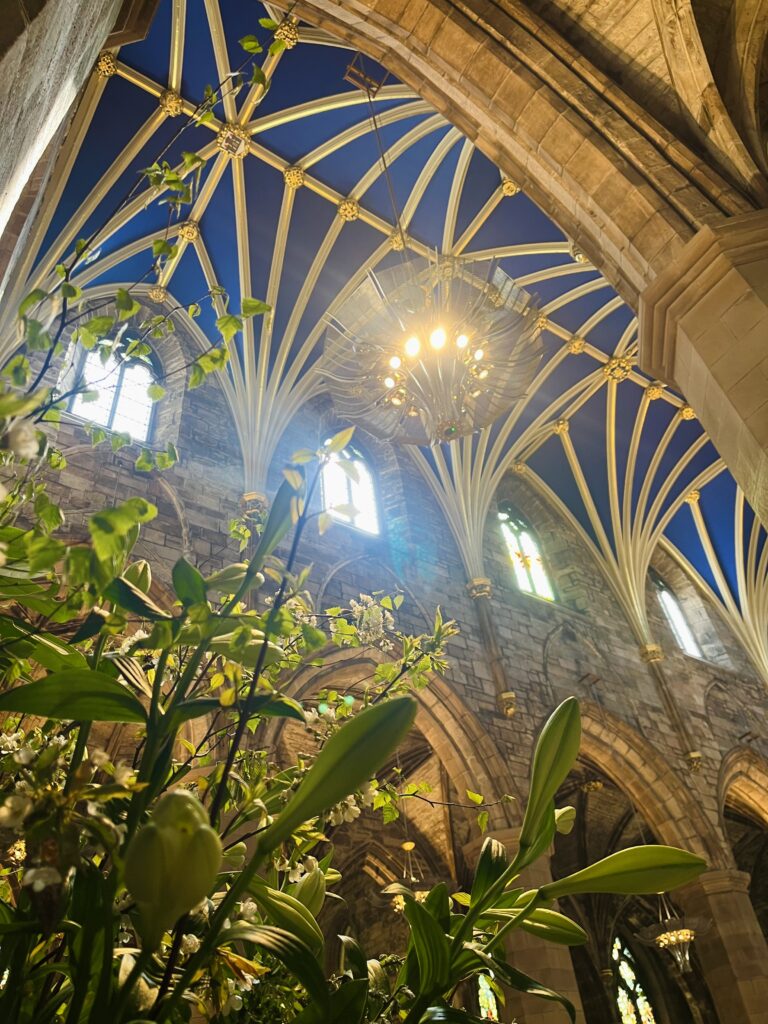
Inside, the cathedral blends quiet solemnity with artistic fireworks. The stained glass casts colours across ancient stone arches. The altar is simpler than you might expect from a Catholic cathedral — being Presbyterian, the emphasis is more on the Word, preaching, and the congregation than on grand ritual. As someone who’s wandered through, I found that proximity to scripture and symbolism makes the space feel alive in a different way.
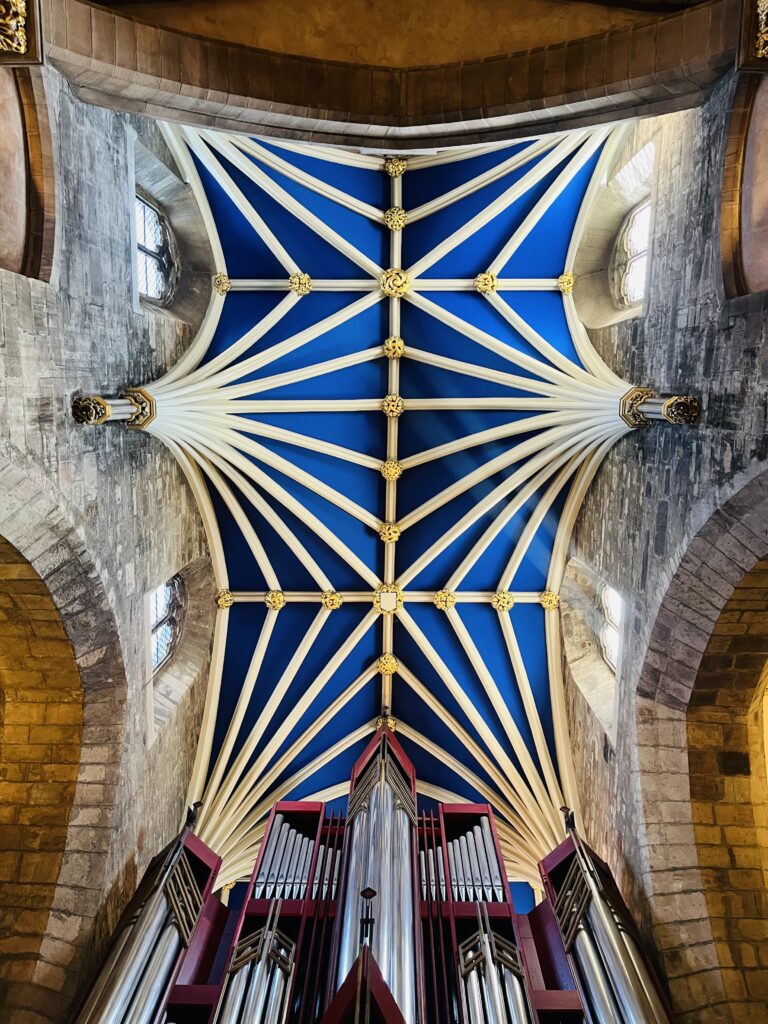
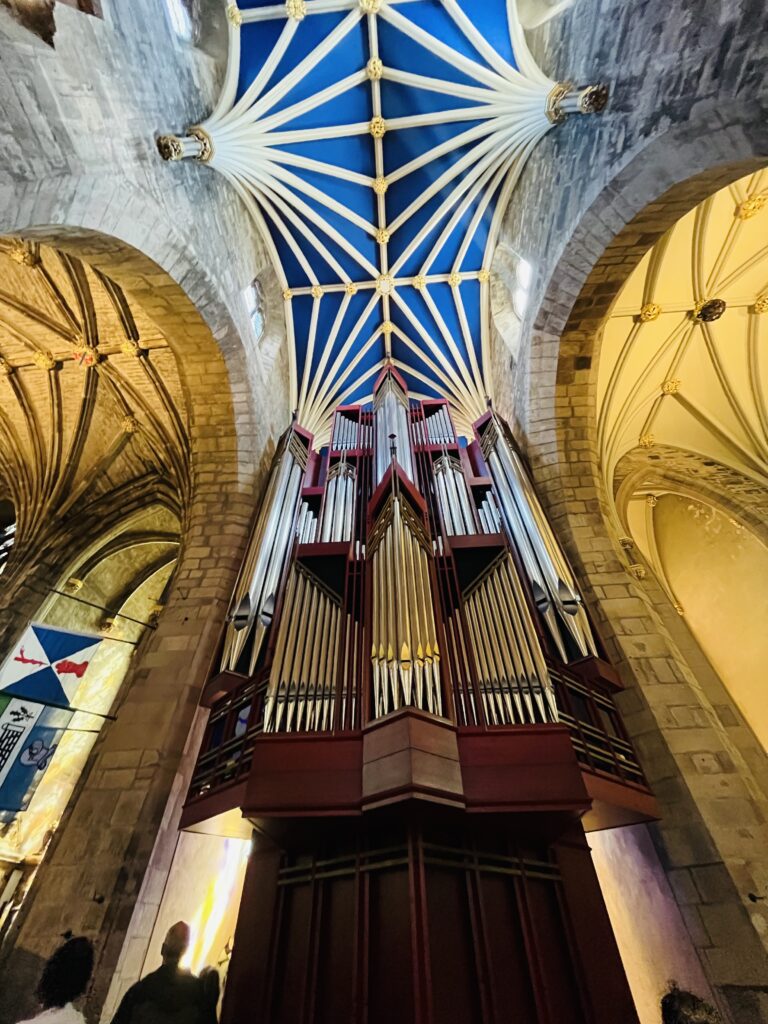
Also, check if there’s an organ recital on the day — the organ music fills the lofty arches and makes time slow for a moment. I visited on a weekday and caught a brief organ piece; that echo through high ceilings is something special. The Thistle Chapel ceiling is another highlight — intricate wood carving, gold touches, heraldic shields. It feels both delicate and grand.
Interesting Bits That Often Surprise Visitors
- Though called a “cathedral”, St Giles doesn’t have (and has not had) an archbishop — it’s a “High Kirk” or principal church in the Church of Scotland.
- Even today, its role is civic as well as religious. It hosts events, memorial services, concerts. So it’s not just old stones and quiet prayer; it’s part of living Edinburgh.
- It’s free to enter — makes exploring so much easier if you just want to soak up history and architecture. Donations welcome.
Tips for Visiting
- Go in the morning or late afternoon to avoid crowds, and to catch the light through the stained glass.
- Check the cathedral’s website for service times or organ concerts — if you can time your visit around one, it adds atmosphere.
- Don’t rush the Thistle Chapel and Montrose memorial — those corners are packed with symbolism.
- Wear comfy shoes — the stone floors are uneven in places and it’s quite large.
Conclusion
For me, walking into St Giles’ isn’t just a tourist moment — it’s stepping into echoing voices of history, faith, art — all tied together. That crown spire above the Royal Mile is more than architecture; it’s a symbol that Edinburgh carries its past with pride. If you go, you’ll likely leave thinking not just about what you saw, but how this place connects you with centuries.
I hope this gives you a fresh lens next time you wander by St Giles’ — and I can’t wait to share my next discovery with you all!