
How UK Supermarkets Went from “Where’s the Koreatown?” to “Can I Have My Kimbugak with That?”
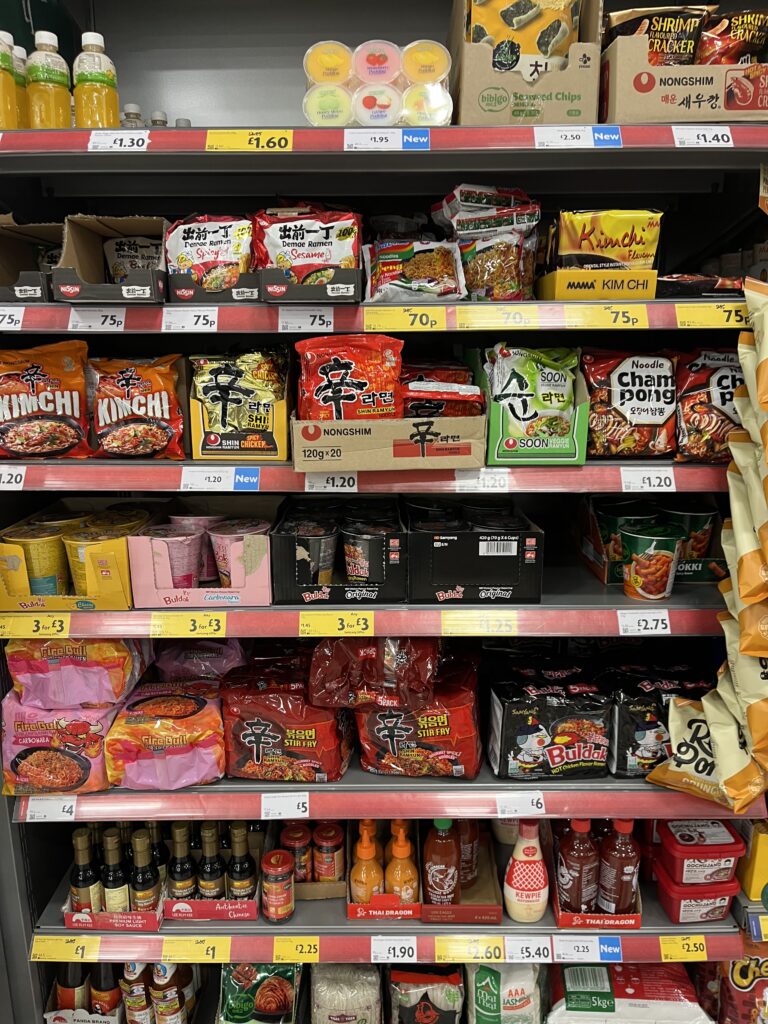
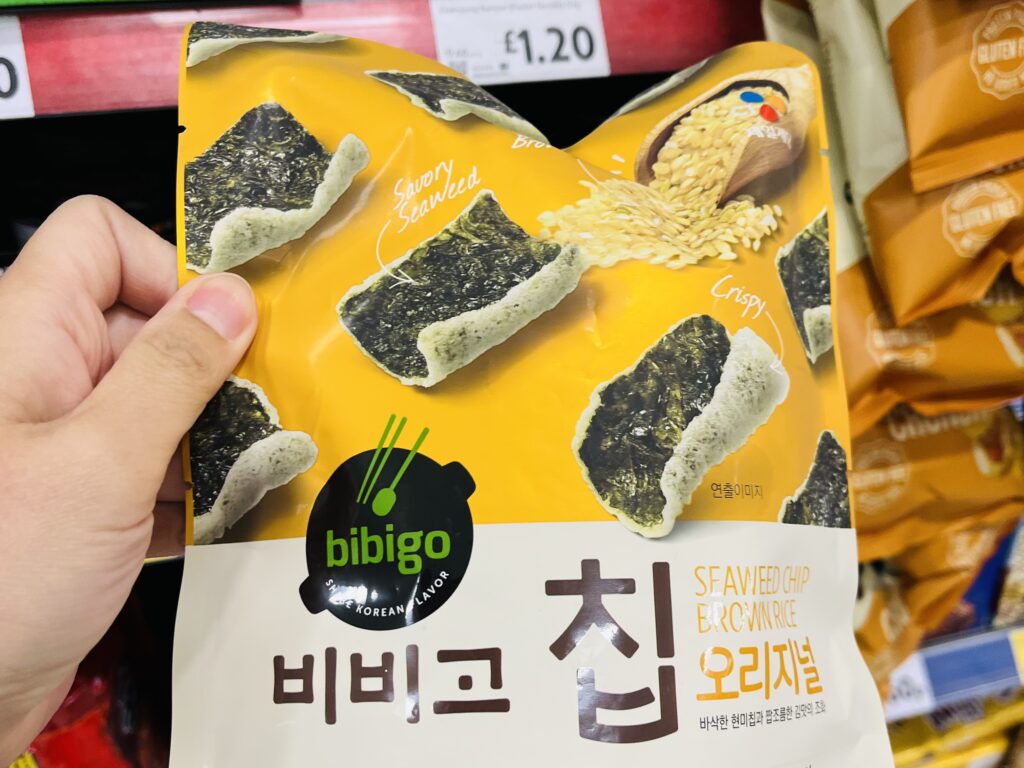
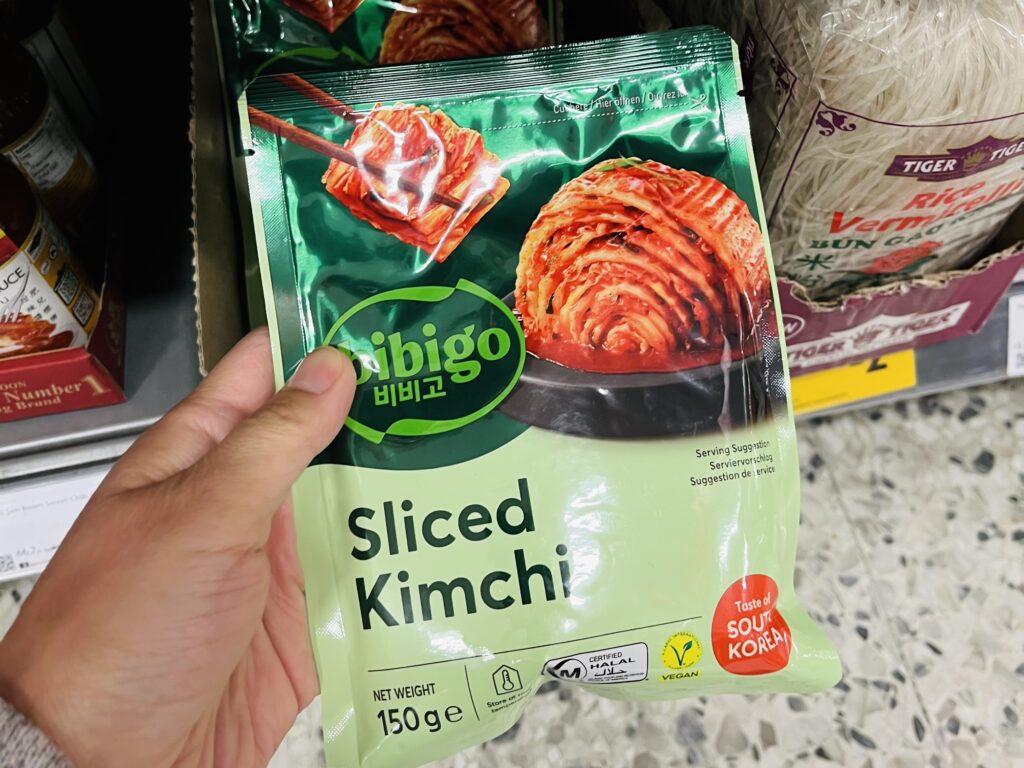
Whenever I stroll through Morrison’s these days, I do a double take: kimchi jars, Shin Ramyun, tteokbokki, even kimbugak (“seaweed crackers/pancakes”) right there on the shelf. It makes me want to shout, “This isn’t just a Korean shop anymore!” Yet, it’s absolutely true — UK supermarkets are starting to feel like mini Koreatowns. And for someone who came to England 14 years ago, this change is nothing short of astonishing.
The Surge of K-Food in UK Supermarkets
- Waitrose reported a 71% increase in sales of gochujang paste year-on-year, while searches for “Korean chicken”, “Korean BBQ” and “gochujang” shot up by hundreds of percent.
- Sainsbury’s now stocks the Bibigo range — everything from seaweed snacks to tteokbokki, kimchi and Korean BBQ sauces.
- Online and specialty Asian stores have long sold tteokbokki bowls, spicy rice cakes, etc., but now you can find many of these in the “World Food” aisles of larger chain supermarkets.
Why It’s Happened (From My Perspective + Data)
From my own shopping trips to Morrison’s, Costco and others, plus what I see online and in media reports, here’s what I think is driving the K-food boom:
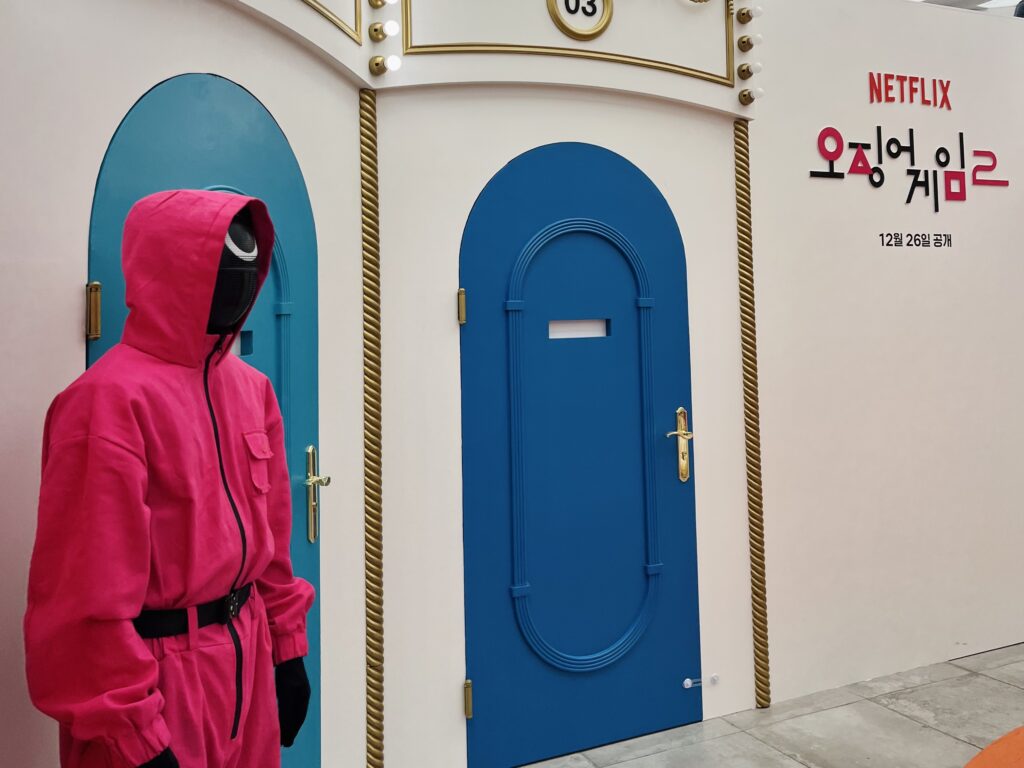
- K-Culture goes global — K-dramas, K-pop, Netflix hits: people are curious about what Koreans eat, how they cook. That curiosity becomes demand.
- Health & Fermentation Trend — Fermented foods like kimchi are seen as gut-friendly. Sauce pastes like gochujang offer flavour without excessive fat. UK consumers are more interested in “food that tastes good and is good for you.” :contentReference[oaicite:3]{index=3}
- Immigration + Diaspora Demand — More Korean students, workers, families mean stronger demand. Also, non-Koreans trying one item (ramen) want the full pantry (pastas, rice cakes, seaweed, sauces).
- Retailers respond — Major chains like Waitrose, Sainsbury’s and others are expanding their “world food” or “world flavour” sections. They’re collaborating with Korean brands (e.g. CJ, Bibigo, Nongshim), stocking more authentic items rather than just “fusion-light” versions. :contentReference[oaicite:4]{index=4}
- Social Media & Viral Eating — TikTok, Instagram, blogs. Once something like “tteokbokki snack” or “Korean fried chicken” goes viral, everyone wants to try it. Also recipes and sauces trending lead people to look for ingredients locally. :contentReference[oaicite:5]{index=5}
What This Means on the Ground
Because of this trend, from my own experience:
- I spotted tteokbokki priced about £2.75 in Morrison’s. That joy of putting something so “Korean street food” into your basket in a regular UK supermarket — amazing.
- I saw kimbugak (seaweed sheets/crisps) in places I never expected. When I first came, these were special-order items. Now, they might just be between potato chips and nuts.
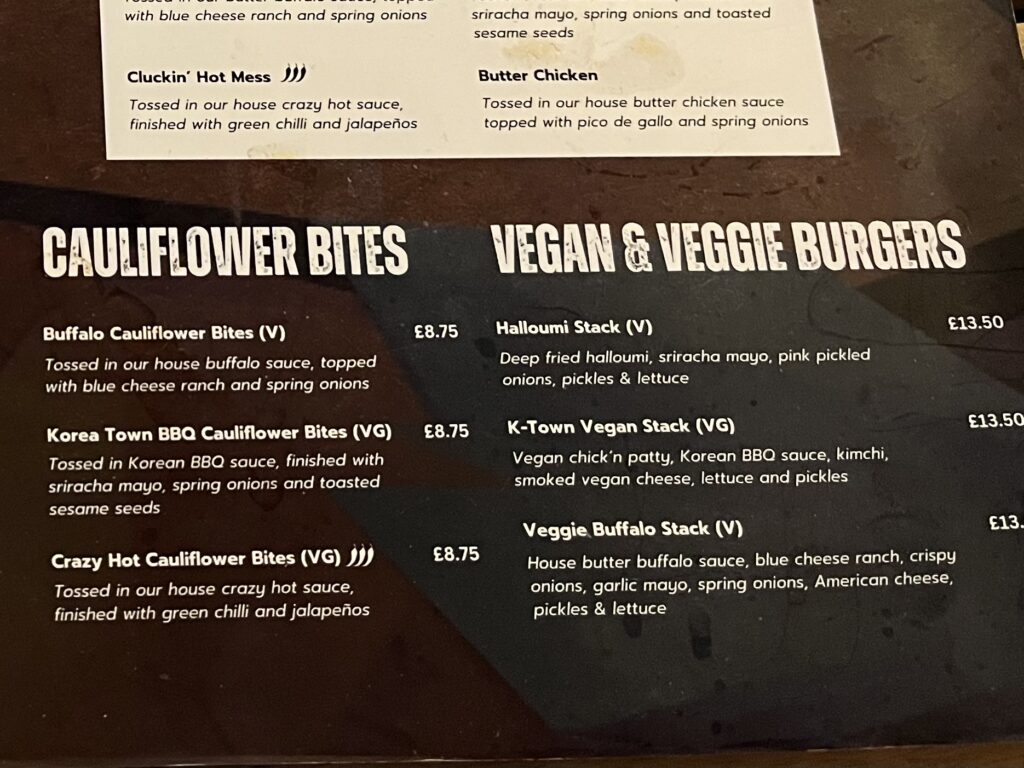
- Chain restaurants are adding Korean items to their menus: bulgogi, gochujang glazed meats, etc. It’s no longer “ethnic food” for a niche, but “global comfort food” for many.
- Supermarkets also seem to notice seasonal demand — around Lunar New Year (Seollal), shelves are more stocked, special items available. I even bought red ginseng-type items (like 정관장) at Costco during such periods.
Challenges & What Could Improve
While K-food is booming, there’re hiccups:
- Price: Some Korean items (imported) are pricey. £2.75 for tteokbokki may feel steep to some.
- Authenticity: Sometimes products are adapted (less spice, more sugar) to suit British taste. Purists may feel disappointed.
- Availability variation: What you find in London, Birmingham or Manchester is very different from what’s stocked in a small town. Local demand heavily influences supply.
Looking Ahead: What’s Next?
If I were to predict, based on what I see and what data says:
- More “K-corners” in major supermarkets (Morrison’s, Tesco, Sainsbury’s) with dedicated space & better stock.
- More UK-made Korean style products: local production to reduce cost + supply delays.
- Fusion foods will increase: gochujang pasta sauces, kimchi burgers, etc.
- Even outside big cities, more grocery stores catching up — once demand is proven, supply follows.
Conclusion
From someone who moved here years ago and had to hunt down one jar of kimchi, now I walk—not to a Korean shop—but past regular shelves in Morrison’s or Costco, and feel a tiny thrill when I see kimbugak or tteokbokki. Because it means: home is closer than before. Also, it means Korean food isn’t niche anymore — it’s part of the UK’s everyday story.
So yes, K-food is crazy in the best way. And I, for one, can’t wait to see what’s next.