
🎓 Understanding the UK School System
Raising children in the UK comes with many decisions, and one of the biggest is choosing the right school. Each school type has its own structure, entry requirements, and benefits, so understanding them is key.

1. State Schools
- Tuition: Free
- Governance: Run by the government
- Features: Most children attend; allocation is based on your catchment area.
- Pros: No tuition fees and solid core education.
- Cons: Quality can vary by area, so some parents move to areas with top-rated schools.
2. Private Schools
- Tuition: £10,000–£40,000+ per year
- Governance: Independent
- Features: Smaller class sizes, personalised learning, and extensive extracurricular activities.
- Pros: High-quality education and broad opportunities.
- Cons: Expensive.
3. Grammar Schools
- Tuition: Free (state-funded selective schools)
- Entry: Requires passing the 11+ exam
- Features: High academic standards and excellent university progression rates.
- Pros: Strong academic results and Oxbridge progression (approx. 30% of students).
- Cons: Highly competitive entry and early preparation needed.
4. Public Schools (Traditional Prestigious Private Schools)
- Tuition: Often higher than private schools
- Features: Historic institutions with a long-standing reputation
- Examples: Eton College, Harrow School, Rugby School
- Entry: Highly competitive exams and interviews
5. Boarding Schools
- Tuition: £30,000+ per year
- Features: Students live on-site in dormitories
- Pros: Builds independence and focus
- Cons: Separation from family can be challenging
What is the 11+ Exam?
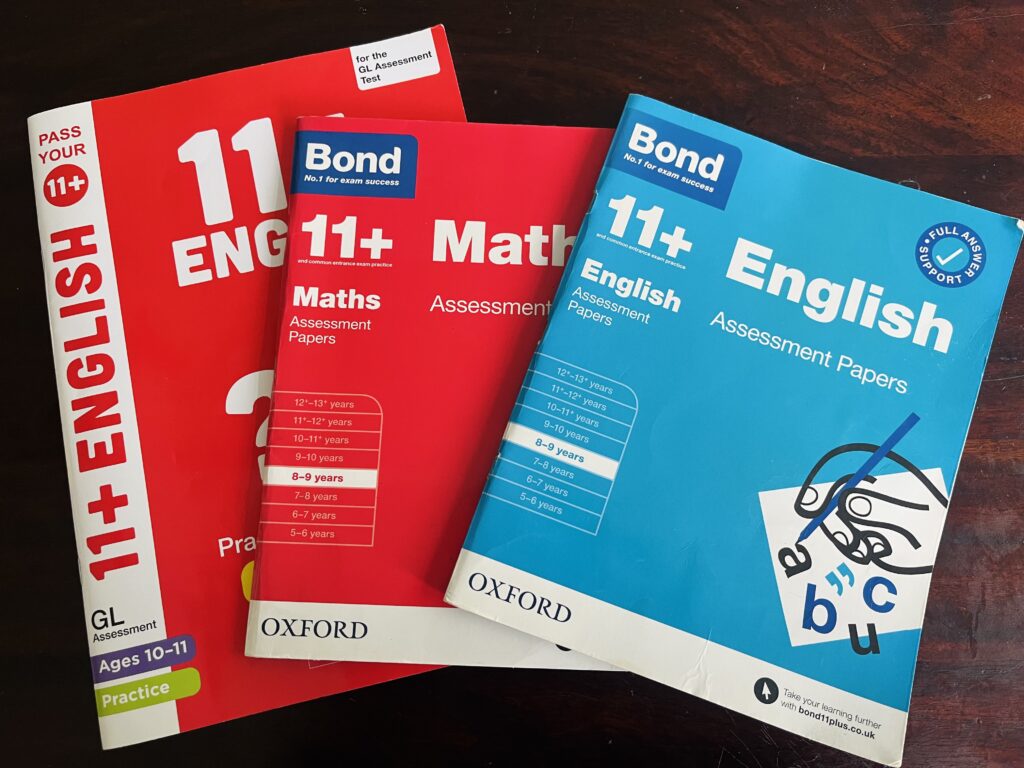
The 11+ exam is a selective test for children seeking entry to Grammar Schools, usually taken in Year 6. Subjects typically include:
- Verbal Reasoning – vocabulary, logic, and language skills
- Non-Verbal Reasoning – pattern and shape problem-solving, similar to IQ tests
- Mathematics – arithmetic and problem-solving
- English – reading comprehension and writing
Note: Not all schools test every subject; requirements can vary by region.
How to Prepare for the 11+ Exam
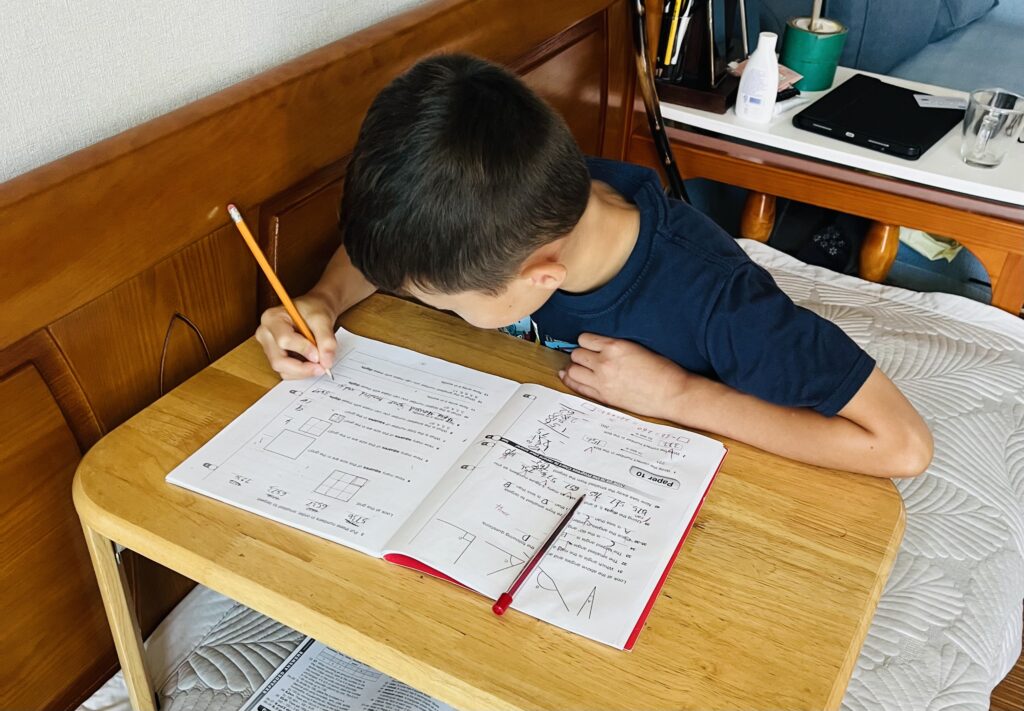
1. Start Early
- Preparation usually begins in Year 4–5.
- Focus on English and Maths to build a solid foundation.
2. Practice Papers
- Use mock exams to familiarise children with the format.
- Available online or via bookshops (Amazon is useful for Bond practice papers).
3. Tutors
- Many parents hire tutors, especially for Verbal & Non-Verbal Reasoning.
- Typical rates: around £40 per hour.
4. Reading Habits
- Regular reading boosts vocabulary and comprehension.
- Crucial for understanding Maths questions in English.
5. Time Management
- Practice completing papers within time limits.
- Particularly important for Non-Verbal Reasoning.
Recommended Online Resources
- Atom Learning – £59/month, personalised learning and performance tracking
- EdPlace – £130/year, extensive 11+ and SATs materials
- CGP 11+ Online – £6/month or £50/year, cost-effective and comprehensive
Final Thoughts
Preparing for the 11+ exam can be challenging, but it opens doors to more opportunities for your child. Consider carefully which school fits your child best and how to approach preparation.
If you have questions or want to share experiences about the 11+ exam or UK school choices, please leave a comment. Let’s support each other on this journey!