
Understanding the UK School System: From Reception to Sixth Form
Moving to the UK with kids is like stepping into a different world of education. Here’s how it works in practice:
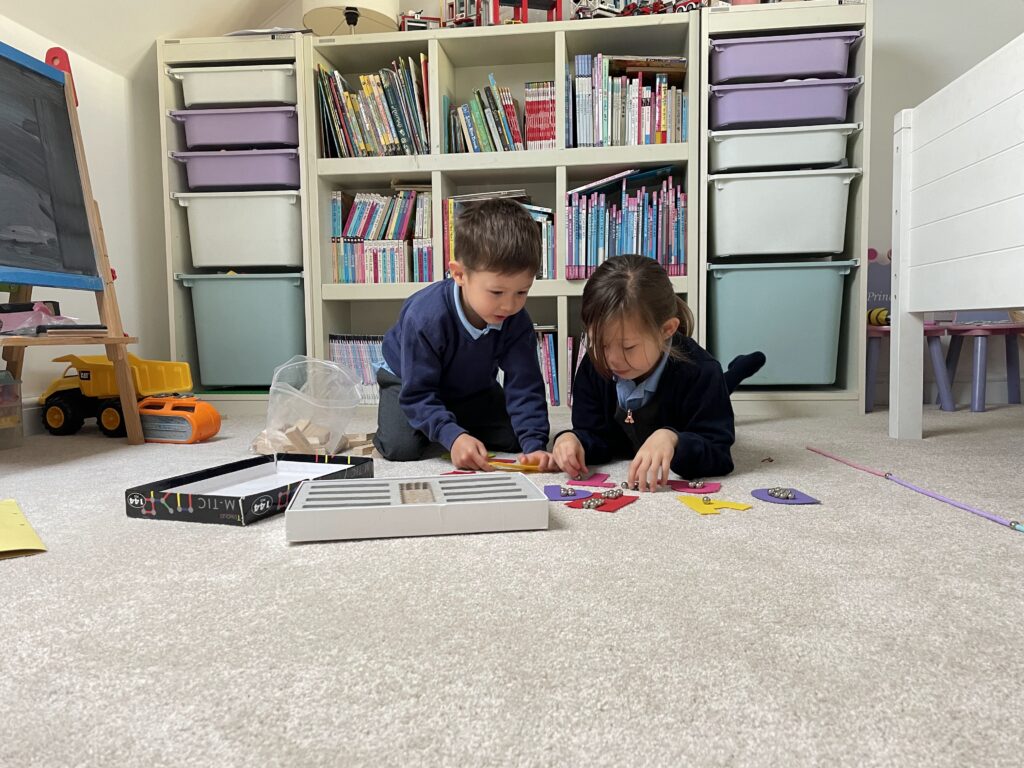
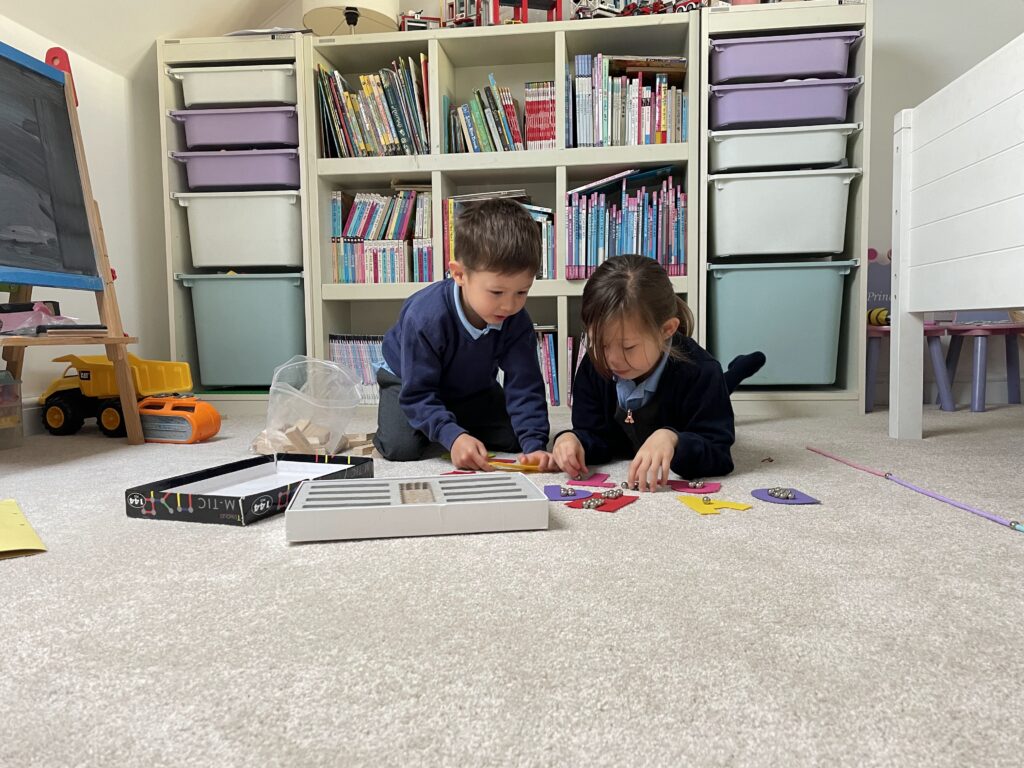
- Primary School (Ages 4–11): Reception is for 4–5-year-olds, like a prep kindergarten. Kids progress through Year 1–6. It’s roughly the combination of Korean kindergarten and elementary school.
- Secondary School (Ages 11–16): Years 7–11, covering early high school. Students take GCSE exams, a key qualification for the next stage. It’s important, but less high-pressure than Korea’s college entrance exams.
- Sixth Form / College (Ages 16–18): A-levels or vocational courses like BTEC prepare students for university. Think of it as Korean Year 12–13 but with more subject choices and hands-on learning.
Half-Term Breaks: The UK’s Clever Little Holidays
Unlike Korea, the UK school year is divided into three terms—Autumn, Spring, and Summer. Each term has a Half-Term Break of one week. This short but frequent pause helps kids recharge regularly instead of one long summer holiday. As a parent, it’s a lifesaver—but the six-to-seven-week stretches can feel intense! 😂
Worcestershire’s Tier System: Why School Transitions Can Be Confusing
The UK doesn’t have a nationwide school system—different regions use different “Tier” setups:
- 2-Tier System (most areas): Primary (4–11) → Secondary (11–16)
- 3-Tier System (Worcestershire): First School (4–9), Middle School (9–13), High School (13–18)
We live in a mix of 2-Tier and 3-Tier areas. Knowing the local structure is crucial when moving or choosing a school.
School Uniforms: Style, Pride, and the Occasional Tie Struggle
Most schools require uniforms. Some include blazers and ties; others are simpler. Uniforms create school identity, and yes—sometimes kids hate the tie mornings, just like we did in Korea!
Curriculum Choices: Encouraging Exploration Early
Secondary students mix compulsory and elective subjects. This lets children explore interests before GCSEs. Our daughter Kimchi tried drama, coding, and art clubs early, discovering passions she never would have found in Korea’s exam-driven system.
School Lunches: Adventures in British Food
Lunch can be packed sandwiches or school-provided meals like jacket potatoes and pasta. Don’t expect kimchi or rice! It’s a cultural culinary adventure for Korean kids, but they adapt fast.
After-School Clubs: Discovering Hidden Talents
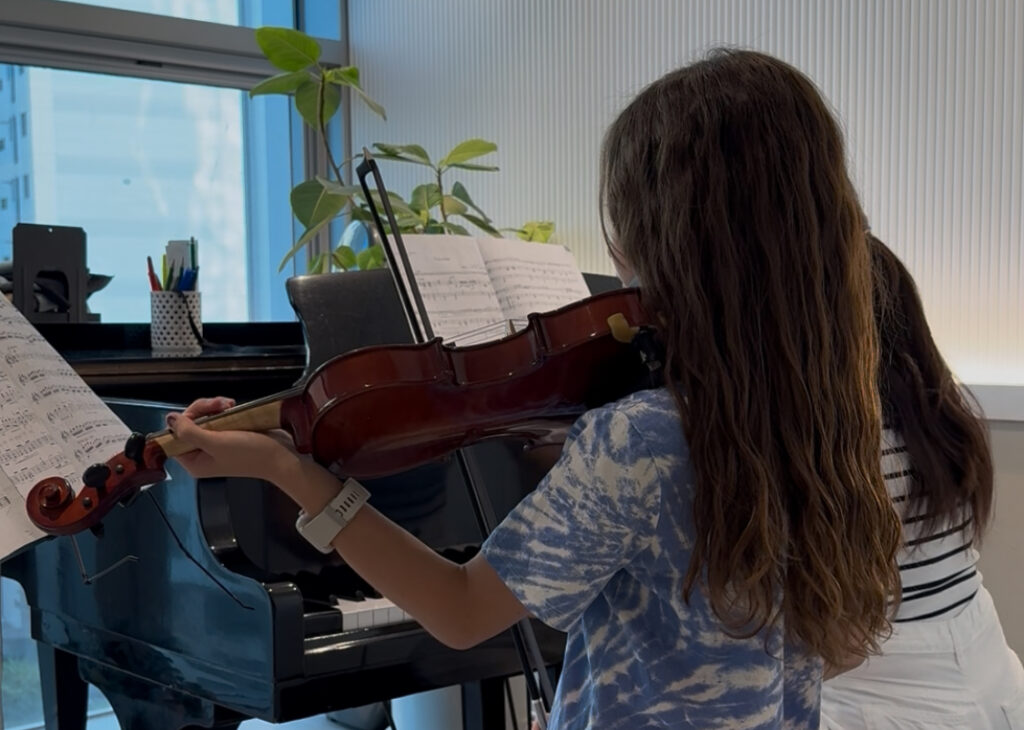
UK schools offer a wide variety of clubs—sports, arts, science, coding, drama, music and even board games. Kids choose what interests them rather than being pushed into cram schools. Our daughter, Chloe, loved trying different clubs, helping her find he interests naturally.
Forest School: Learning Outside the Classroom
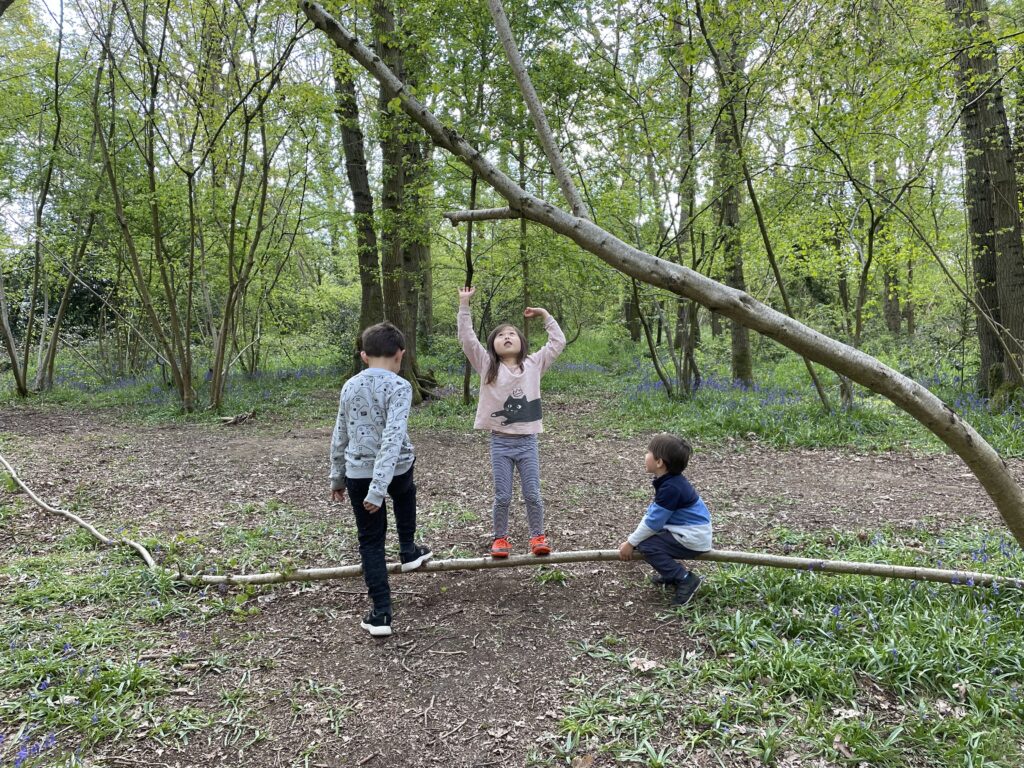
Some primary schools run Forest School once a week. Kids:
- Build dens and play team games
- Create art from leaves and sticks
- Learn teamwork, creativity, and problem-solving outdoors
Rain or shine, kids wear wellies and waterproofs. Leo once stayed inside because we forgot his boots—but normally, getting muddy is part of the fun!
School Trips: Adventures That Teach More Than Classrooms
UK school trips are immersive learning experiences. Museums, historical sites, nature walks, and even overseas trips for Secondary students. Kimchi went on a 2-night Residential Trip in Year 4—it was exhausting but unforgettable! Friends stayed up late, one snored all night, and she learned independence and social skills along the way.
Leadership & Community: Headteachers Who Actually Talk to Parents
Headteachers often greet kids at the gate and interact with parents at events. Schools encourage parental involvement in:
- Volunteer activities
- Fundraising events like Summer or Christmas Fairs
- Parent information sessions
It feels collaborative, not hierarchical, which is quite different from Korea.
Ofsted Inspections: A Transparent Way to Evaluate Schools
All schools are inspected by Ofsted and rated:
- Outstanding
- Good
- Requires Improvement
- Inadequate
Ratings are public, often influencing house-buying decisions more than catchment areas. We picked our home near an Outstanding school after returning from an overseas assignment.
Final Thoughts: Embracing the Differences
UK schools emphasize creativity, community, and independence alongside academics. At first, we were surprised by the differences—but now, our children enjoy school without excessive stress, exploring interests and building social skills naturally.
If you’re curious about UK education, want tips for settling in, or want real-life anecdotes, drop a comment—let’s share experiences!